
Football as an identity
Barcelona have traditionally viewed football as more than simply winning.
Possession, technical quality, intelligent movement and control have been central elements of the club’s footballing philosophy.
The exact tactics can change from coach to coach.
The identity, however, tends to remain recognizable.
La Masia
Few major clubs have such a strong connection between their academy and first team.
La Masia has produced generations of players capable of understanding Barcelona’s football from a young age.
That gives the club continuity.
The connection with supporters
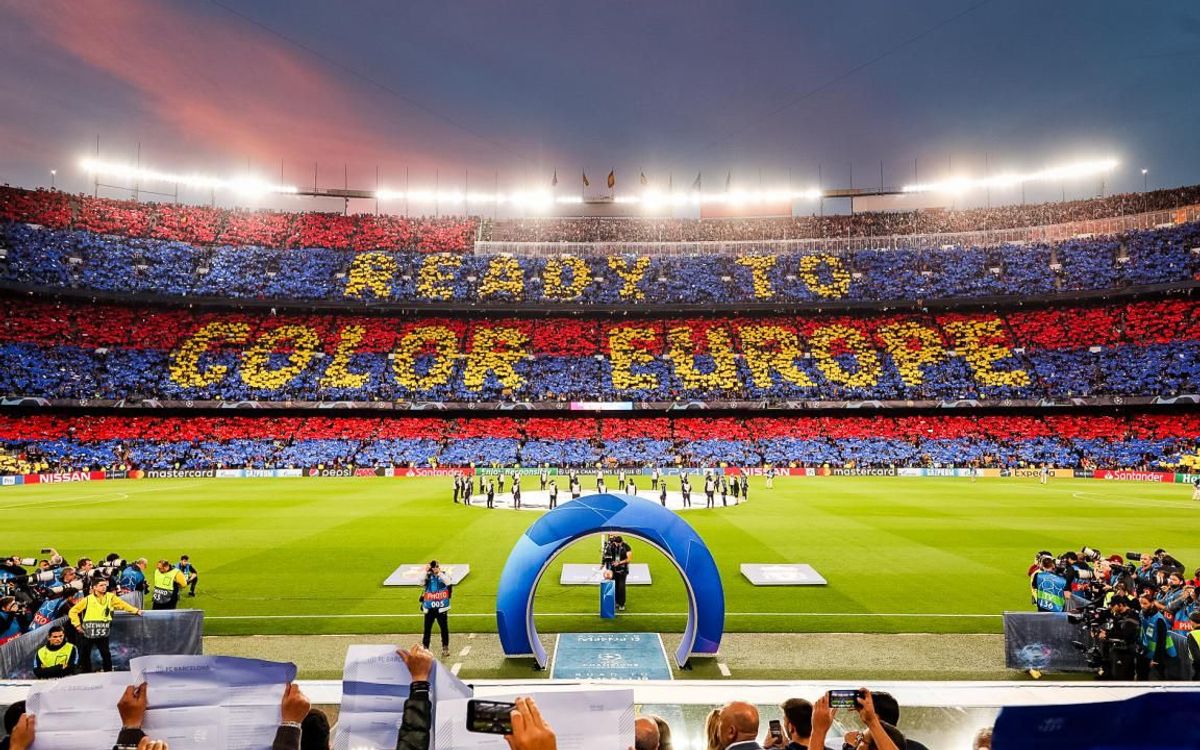
Barcelona is also deeply connected with its supporters.
The club’s identity extends beyond the football pitch and is closely associated with Catalan culture and history.
This is one reason why being a Barça supporter is often described as being a “Culer” rather than simply a football fan.
The great eras
Barcelona’s identity has been shaped by legendary generations.
Johan Cruyff helped establish a football philosophy that influenced the club for decades.
Pep Guardiola’s Barcelona then produced one of the most celebrated teams in modern football, with 14 trophies during Guardiola’s four years as coach. (FC Barcelona)
The players change.
The coaches change.
But the desire to play recognizable, technically demanding football remains.
A club that keeps evolving
The current Barcelona project under Hansi Flick is another example.
The German coach has brought his own ideas while working within a club that already possesses a strong footballing identity.
That balance between tradition and evolution is what makes Barça fascinating.
Barcelona do not need to copy the past.
They need to understand it — and then create something new.